Choosing substance abuse treatment is a deeply personal decision. When someone is ready to address drug or alcohol use, one of the first questions is often whether inpatient or outpatient care is the better fit. Both approaches can provide valuable support, but they are designed for different circumstances. The right choice depends on the person's substance use history, mental health needs, home environment, support system, responsibilities, and goals for recovery.
Addiction does not affect everyone in the same way. Two people may use the same substance and still need very different treatment plans. One person may benefit from a structured environment away from daily triggers, while another may make meaningful progress through outpatient counseling while continuing to live at home. Understanding these differences can make the process of seeking help feel less overwhelming.
Most importantly, treatment should be individualized. Instead of asking which program is universally better, a more useful question is: What level of support can give this person the best opportunity to build a stable and healthy recovery?
Why Individualized Substance Abuse Treatment Matters
There is no single treatment plan that works for every person struggling with addiction. Substance use can be influenced by trauma, stress, relationships, mental health concerns, family circumstances, social pressures, and other personal experiences.
For some people, substance use may have become a way to cope with difficult emotions. For others, it may be connected to social environments, chronic stress, unresolved trauma, or patterns that developed over many years.
That is why a thorough assessment matters.
A personalized substance abuse treatment plan can consider:
- The type and severity of substance use
- Previous treatment experiences
- History of relapse
- Mental health concerns
- Home and family environment
- Available recovery support
- Work, school, and family responsibilities
- Personal values and beliefs
- Long term recovery goals
This broader perspective helps treatment address the person rather than focusing only on the substance.
Understanding Inpatient Substance Abuse Treatment
A Structured Setting for Recovery
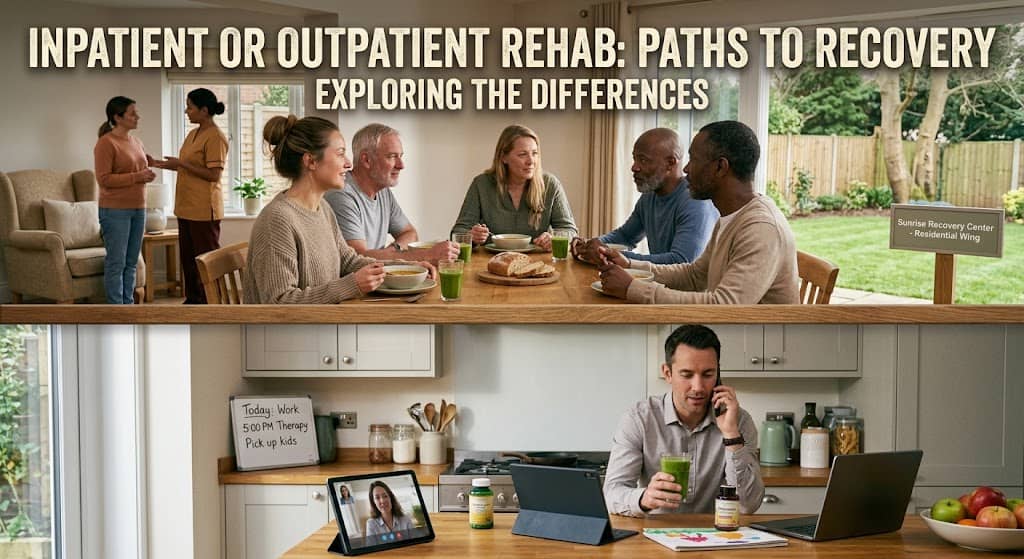
Inpatient treatment, sometimes called residential treatment, provides a structured environment where individuals live while receiving professional addiction and mental health support.
One of the primary benefits of inpatient care is the opportunity to step away from everyday situations that may contribute to substance use. Instead of returning home after treatment sessions, individuals remain in the treatment environment and can focus more consistently on recovery.
Depending on the program, inpatient care may include individual counseling, group therapy, addiction education, mental health services, relapse prevention, family support, coping skills development, and wellness activities.
This level of structure can be particularly valuable during periods when maintaining sobriety at home is especially difficult.
Who May Benefit From Inpatient Care?
Inpatient treatment may be considered for individuals who:
- Have significant or long term substance use concerns
- Have experienced repeated relapse
- Have difficulty maintaining sobriety in their current environment
- Face frequent exposure to drugs or alcohol
- Have limited support at home
- Need greater structure and accountability
- Have substantial mental health concerns alongside substance use
The need for inpatient treatment is not a sign of personal failure. Sometimes, creating distance from familiar triggers gives a person the stability needed to begin making meaningful changes.
A qualified professional should assess individual circumstances before determining whether this level of care is appropriate.
Understanding Outpatient Substance Abuse Treatment
Professional Care While Living at Home
Outpatient treatment allows individuals to receive professional addiction and mental health services without living at a treatment facility. Clients attend scheduled counseling, therapy, or other services and then return home.
For people with the right circumstances, outpatient treatment can provide an important balance between recovery and everyday life.
Outpatient care may allow individuals to continue:
- Working
- Attending school
- Caring for children
- Supporting family members
- Maintaining important routines
- Practicing recovery skills in real world situations
That flexibility can be especially important for people whose responsibilities cannot easily be placed on hold.
Who May Benefit From Outpatient Care?
Outpatient treatment may be appropriate for someone who has:
- A stable and supportive home environment
- Reliable support from family or friends
- The ability to attend treatment consistently
- Manageable exposure to substance use triggers
- Responsibilities that require them to remain at home
- The ability to work on recovery skills between treatment sessions
Outpatient care should not be viewed as simply a less serious form of addiction treatment. For the right individual, it can provide meaningful professional support while allowing recovery skills to develop within everyday life.
How Recovery Needs Can Influence the Choice
The difference between inpatient and outpatient treatment becomes clearer when you consider what the person actually needs.
Need for Structure
Some people need substantial structure to establish stability during early recovery. Inpatient treatment can provide a consistent environment where recovery remains the primary focus.
Others may have enough stability to participate in scheduled outpatient care while managing their recovery at home.
The question is not how much structure sounds appealing. It is how much structure is clinically appropriate for the individual.
Home Environment
The recovery environment can have a major influence on treatment.
A stable home can make outpatient care more practical. However, if someone returns every day to substance use, significant conflict, unsafe conditions, or intense emotional triggers, remaining at home may create additional barriers.
Inpatient treatment can provide temporary distance from those circumstances while the person develops healthier coping strategies.
Previous Relapse
A person's recovery history can also provide important information.
If someone has repeatedly tried to stop using substances but struggles whenever they return to their usual environment, additional structure may need to be considered.
On the other hand, someone who has made progress through treatment and has a stable support system may benefit from continued outpatient care.
Past relapse should not be viewed simply as failure. It can provide information about what was missing from previous recovery attempts and what additional support may be needed now.
Mental Health Needs Should Be Part of the Decision
Addiction and mental health concerns often overlap. Anxiety, depression, trauma, grief, chronic stress, and other emotional challenges can influence substance use and make recovery more complicated.
For example, someone may rely on alcohol or drugs to temporarily escape emotional pain. If treatment only addresses substance use without helping the person understand and manage those emotions, important barriers to recovery may remain.
Integrated Mental Health and Addiction Treatment
Mental health support can help individuals:
- Identify emotional and behavioral triggers
- Understand patterns connected to substance use
- Develop healthier coping strategies
- Process difficult experiences
- Improve emotional regulation
- Manage stress more effectively
- Build greater resilience
Addressing mental health does not mean that addiction is simply a psychological problem. Rather, it recognizes that emotional well being can influence how a person experiences cravings, stress, relationships, and recovery.
A treatment plan that considers both addiction and mental health can provide a more complete picture of what the person needs.
Daily Responsibilities Also Matter
Treatment needs to be realistic. Work, school, parenting, caregiving, and other responsibilities can influence whether inpatient or outpatient care is practical.
When Flexibility Is Important
Outpatient treatment can allow people to continue important responsibilities while receiving professional support. This can make treatment more accessible for individuals who cannot easily step away from employment, education, or family obligations.
However, responsibilities should not automatically outweigh clinical needs.
If someone needs a higher level of support to remain safe and stable in recovery, it may be necessary to temporarily adjust other commitments.
Recovery sometimes requires recognizing that health must become a priority.
Holistic Care Looks Beyond Substance Use
Effective addiction recovery involves more than avoiding drugs or alcohol. Many people also need to rebuild relationships, restore confidence, establish healthier routines, manage stress, and develop a renewed sense of purpose.
A holistic approach considers the whole person. Physical, emotional, mental, social, and spiritual well being can all have a place in the recovery process.
Healthy Practices Can Complement Counseling
Depending on individual preferences and treatment goals, holistic care may incorporate practices that encourage:
- Stress management
- Self awareness
- Healthy routines
- Personal growth
- Emotional wellness
- Mindfulness
- Positive lifestyle changes
These practices are not replacements for professional addiction treatment. Instead, they can complement counseling and help individuals develop a healthier foundation for everyday life.
Faith Based Support Can Be Personal and Meaningful
For some individuals, faith is an important part of recovery. Spirituality can provide hope, purpose, connection, and encouragement during difficult periods.
Faith based support may help people reconnect with their values and beliefs while working through the challenges of addiction.
At the same time, faith should be incorporated according to the individual's preferences. A client centered approach respects different beliefs and allows each person to determine whether spiritual support belongs in their treatment experience.
Treatment Does Not Have to Follow One Permanent Path
Choosing inpatient or outpatient care does not necessarily mean committing to one level of treatment forever.
Recovery needs can change.
Some people may begin with inpatient care and transition to outpatient treatment as they become more stable. Others may start with outpatient services and discover that additional structure is needed.
This flexibility is important because recovery is a process rather than a single event.
A change in treatment level does not automatically mean that someone has failed. It can mean that the treatment plan is responding appropriately to new circumstances.
Questions to Ask Before Choosing Treatment
If you are comparing inpatient and outpatient substance abuse treatment, consider these questions:
Is My Current Environment Supporting Recovery?
Think honestly about whether your home provides stability or exposes you to substances, conflict, stress, or other triggers.
How Much Structure Do I Need?
Consider how difficult it has been to manage cravings and stressful situations without consistent professional support.
Are Mental Health Concerns Affecting My Recovery?
If anxiety, depression, trauma, grief, or other concerns are connected to substance use, ask whether your treatment plan can address both areas.
What Support Do I Have?
Reliable family members, friends, counselors, or other supportive people can make a meaningful difference, particularly during outpatient treatment.
What Are My Recovery Goals?
Think beyond simply stopping substance use. You may want to repair relationships, improve mental health, return to work, strengthen your family life, reconnect with your faith, or develop a healthier daily routine.
Your goals can help shape a treatment plan that feels meaningful and realistic.
Finding the Right Substance Abuse Treatment Starts With Asking for Help
Choosing between inpatient and outpatient care is not about finding a universally perfect treatment option. It is about understanding your needs and finding an appropriate level of support.
Inpatient treatment can provide structure and distance from difficult environments. Outpatient treatment can offer professional support while allowing individuals to remain connected to home, work, school, and family. Both can have an important place in addiction recovery.
The most meaningful treatment plans also look beyond substance use. Mental health, relationships, daily routines, personal values, spirituality, and long term goals can all be part of the healing process.
If you or someone you love is struggling with addiction, you do not need to determine the entire treatment plan alone. Reaching out to a qualified professional can provide clarity, answer important questions, and help identify an appropriate next step.
Recovery begins with a willingness to seek support. With individualized care, professional guidance, and an approach that respects the whole person, it is possible to begin building healthier patterns and a more stable future.